
IVs inject microplastics into the body, especially if IV is longer than 2 days
Clinical infusion bypasses physiological barriers to directly deliver microplastics into human circulation
npj Emerging Contaminants volume 2, Article number: 24 (2026) https://doi.org/10.1038/s44454-026-00044-2
Xin Zhao, Yutong Duan, Liyan Deng, Huaidong Du, Sheng Chen, Yueping Wang, Chunli Wan, Yudong Song, Xiaowei Wang & Changyong Wu
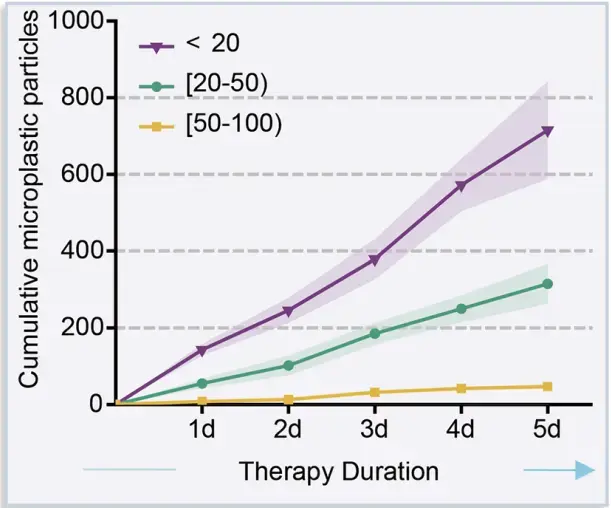
Intravenous infusion bypasses physiological barriers, directly introducing microplastics (MPs) into the bloodstream. Cleanroom simulations revealed MPs concentrations of 211 ± 34 (0.9% NaCl) and 179 ± 28 MPs/L (5% glucose), mostly < 20 µm in size, plus with 4–5 µg/L nanoplastics. Predominantly polyamide and polyvinyl alcohol, matching infusion materials. A 5-day infusion delivers > 1000 particles - equivalent to months of inhalation/ingestion exposure. This overlooked medical route necessitates safer materials and regulation.
Related in Vitamin D Life
- Microplastics accumulate in all human bile, nearly 4X higher in gallstone patients - observational
- Microplastics increase the risk of Colorectal Cancer by 11x, Heart attack by 4X, etc.
- Both Microplastics and Ultra-processed foods decrease Glutathione
- Microplastics causing problems in humans, etc. (Vitamin D can help) - many studies